About Ferrous Sulphate
We are placed amongst the renowned manufacturers and suppliers of the finest quality Ferrous Sulphate. Processed by our experts using high-quality chemical compounds and cutting-edge processing techniques, this chemical is used in various industries like agricultural sector, pharmaceutical, chemical, etc. Mainly used as a precursor to other iron compounds, it is used as a reducing agent for the reduction of chromate in cement. This Ferrous Sulphate is available in varied packing options as per the need of our valued customers.
Features:
- Non-toxic nature
- Precise composition
- Accurate pH value
- Longer shelf life
- Ferrous Sulphate
We are stalwarts in manufacturing and supplying a wide range of Ferrous Sulphate that is used as a precursor to other iron compounds. It is also used as reducing agent of cement against chromite. We formulates these chemicals using premium quality ingredients under the supervision of our skilled professionals. These chemicals are highly reliable and are strictly checked for accurate composition in our advanced laboratory exclusively made for quality checking.
Technical specification:
Formula:
FeSO4
Molar mass:
- 151.908 g/mol (anhydrous)
- 169.92 g/mol (monohydrate)
- 278.05 g/mol (heptahydrate)
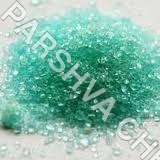
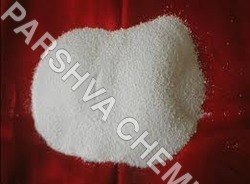
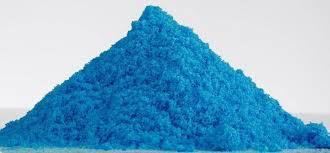
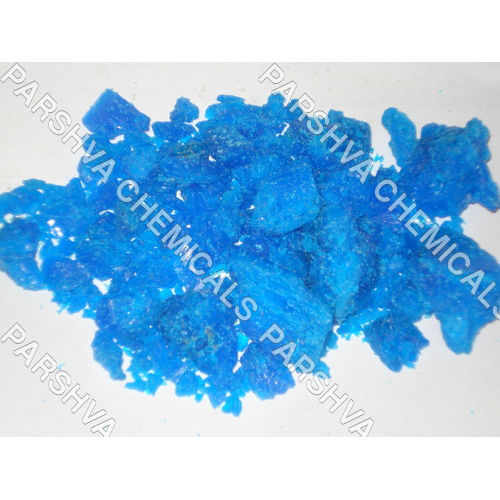
- Appearance: blue/green or white crystals
- Odor : odorless
Density:
- 2.84 g/cm3 (anhydrous)
- 2.2 g/cm3 (pentahydrate)
- 1.898 g/cm3 (heptahydrate)
Melting point:
- 70° C (dehydration of heptahydrate)
- 400° C (decomp)
Solubility in water:
- 25.6 g/100mL (anhydrous)
- 48.6 g/100 mL (heptahydrate)
- (50°C)
- Solubility : Negligible in alcohol
Applications in the Industrial SectorFerrous Sulphate powder, shaped as granules, serves several essential industrial applications. Prominently, it is used for water treatment to remove impurities, as a precursor for manufacturing pigments and dyes, and within the agricultural industry as a fertilizer additive. Its high reactivity and versatility make it indispensable across a wide array of manufacturing processes.
Safe Handling and Storage RequirementsStoring Ferrous Sulphate at room temperature ensures its stability and prolongs shelf life. It should be kept in a cool, dry place and tightly sealed to prevent moisture uptake. Proper handling with gloves and protective gear is recommended due to its chemical properties.
FAQ's of Ferrous Sulphate:
Q: How is Ferrous Sulphate typically utilized in industrial settings?
A: Ferrous Sulphate is commonly used for water treatment, as it helps in the removal of impurities and contaminants. Additionally, it is employed in manufacturing pigments, dyes, and as an additive in fertilizers within the agricultural industry.
Q: What is the recommended storage condition for Ferrous Sulphate powder?
A: It is advisable to store Ferrous Sulphate at room temperature in a cool, dry, and well-ventilated area. The container should be tightly closed to minimize moisture absorption and maintain the product's integrity.
Q: When should Ferrous Sulphate powder be used during the manufacturing process?
A: Ferrous Sulphate is generally introduced during the initial stages of water treatment or as a raw material in the formulation of pigments, dyes, or fertilizers. Its use depends on the specific industrial process requirements.
Q: Where in India can Ferrous Sulphate be sourced from reliable exporters and manufacturers?
A: Ferrous Sulphate is widely produced and supplied by reputable exporters and manufacturers across India, with most chemical suppliers utilizing standardized processes to ensure product purity and consistency.
Q: What is the process for handling Ferrous Sulphate powder safely in an industrial environment?
A: When handling Ferrous Sulphate, wear appropriate protective equipment such as gloves and goggles. Ensure good ventilation, handle the powder with care to avoid dust generation, and store the product as recommended.
Q: What are the primary benefits of using Ferrous Sulphate in industry?
A: The benefits include its effectiveness in purifying water, providing an essential source of iron for fertilizers, and serving as a raw material in pigment and dye production, enhancing overall industrial efficiency.






 Send Inquiry


 English
 Spanish
 French
 German
 Italian
 Chinese (Simplified)
 Japanese
 Korean
 Arabic
 Portuguese