About Nickel Chloride
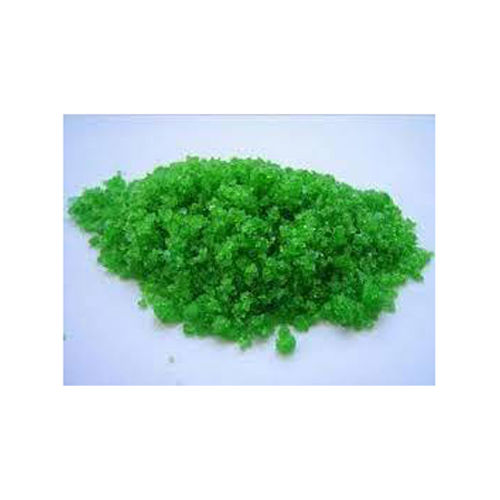
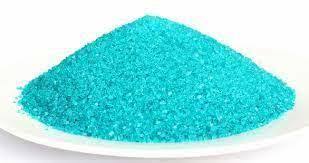
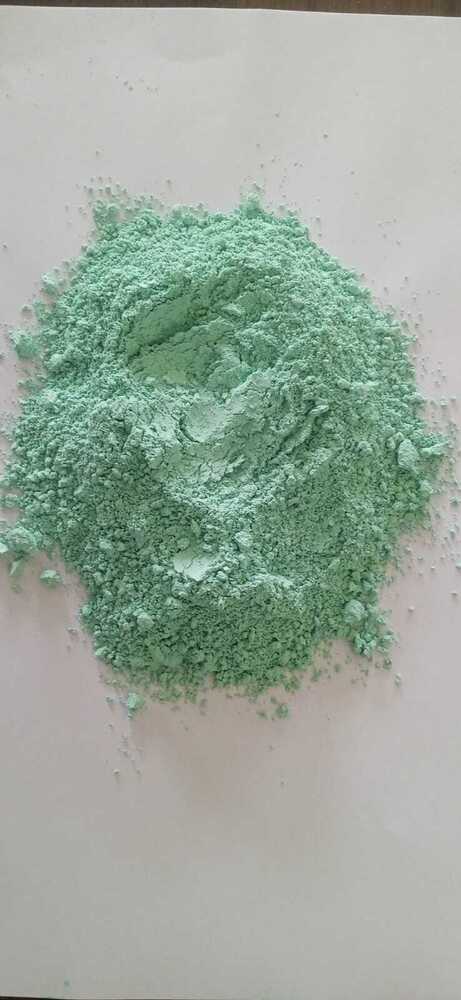
Nickel chloride is a green coloured industrial chemical available in the form of crystals. It must be used carefully as it is toxic by ingestion. Useful in making other chemicals and processes like nickel plating, this soluble nickel salt is also highly demanded in printing and dye industries. The users must wear protective clothing as its contact can cause eye and skin irritation. It can also cause several respiratory problems if inhaled. Wear a mask while using nickel chloride in any industrial process.
Emerald Green Crystalline FormNickel Chloride is easily recognized by its emerald green appearance and crystalline powder texture. Its hygroscopic property requires storage in dry conditions to maintain product integrity and purity. This physical form ensures ease of handling for industrial use.
Safe and Stable StorageTo preserve Nickel Chloride's effectiveness, it must be stored at ambient temperature in a tightly sealed container, such as HDPE drums or bags. Keeping it away from moisture and incompatible substances like strong acids and oxidizers reduces risk and maximizes shelf life, which extends up to 2 years.
Diverse Industrial ApplicationsNickel Chloride serves as a key ingredient in electroplating baths, catalysis, chemical synthesis, and laboratory analysis. Its high solubility in water and compatibility with various processes make it a versatile choice for manufacturers, suppliers, and exporters in chemical industries.
FAQ's of Nickel Chloride:
Q: How should Nickel Chloride be stored to maintain stability and purity?
A: Nickel Chloride should be kept in tightly sealed HDPE containers at ambient temperature, away from moisture and incompatible substances like strong acids or strong oxidizing agents. This preserves its stability and 99% purity over its two-year shelf life.
Q: What industrial processes commonly use Nickel Chloride?
A: Nickel Chloride is widely used in electroplating baths, as a catalyst, for nickel electrolyte preparation, chemical synthesis, as a laboratory reagent, and as a mordant in textile dyeing.
Q: When is Nickel Chloride considered hazardous, and what precautions are necessary?
A: Nickel Chloride is toxic if swallowed or inhaled and can trigger allergic or respiratory symptoms. Always handle it with appropriate protective equipment in ventilated areas, minimizing exposure and contact.
Q: Where can Nickel Chloride be effectively implemented in manufacturing?
A: Nickel Chloride is utilized in electroplating factories, chemical synthesis plants, laboratories, and dyeing and catalyst production units. Its versatile properties and solubility in water make it suitable for these environments.
Q: What are the benefits of using Nickel Chloride in electroplating?
A: Nickel Chloride offers high purity, reliable solubility in water, and stable performance, ensuring a smooth nickel deposit and consistent results in electroplating processes.
Q: What is the process for preparing a Nickel Chloride solution?
A: To prepare a Nickel Chloride solution, dissolve the green crystalline powder in water (254 g/L at 20C), following safety protocols to prevent inhalation or direct contact. The solution typically has a pH around 4.








 Send Inquiry


 English
 Spanish
 French
 German
 Italian
 Chinese (Simplified)
 Japanese
 Korean
 Arabic
 Portuguese